The Catcher: A Team’s Most Valuable Player?
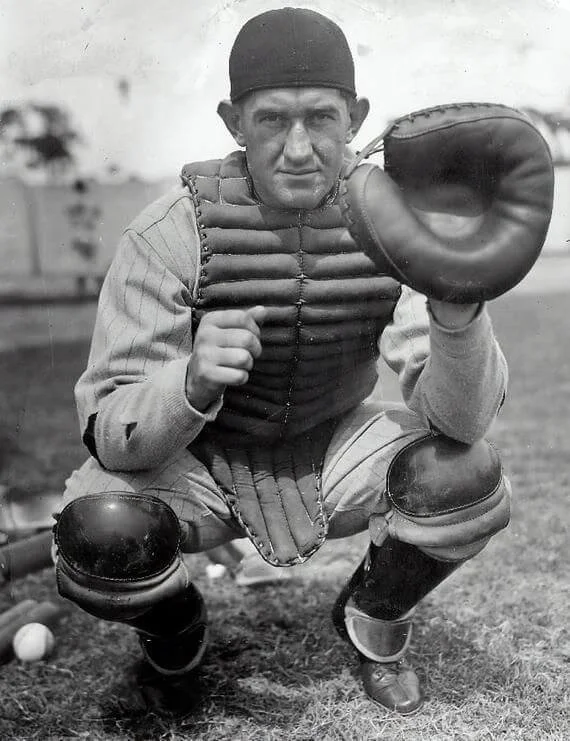
Mickey Cochrane - Hall of Fame catcher for the Detroit Tigers. Image credits: Etsy
Most of the blogs on this site are stories about players, managers and events from baseball's past. Once in a while they will be the writer's opinions on some aspect of the game. This is one of those.
In my opinion, any catcher who catches 120 or more games for a team that makes the playoffs is that team's most valuable player.
Since the demise of the complete game pitcher, only the catcher is involved in every one of his team's pitches. No other position on the field involves as many skills and takes as much of a physical and mental toll.
The Physical Toll of Being a Catcher
Crouching behind the plate more than 100 times a game is just the beginning. Getting up to lob the ball back to the pitcher sounds easy, but it still takes an effort, whereas outfielders may make five to 10 throws a game. (Mickey Cochrane used to fire the ball back at the pitcher when he thought the pitcher was getting “lazy”.)
Jumping up to chase pop-ups or wild pitches behind the plate or to make a quick throw to a base for a pick-off or stolen base attempt (which require a strong and accurate arm) add wear to the knees and legs. Foul tips can hit him anywhere from head to foot.
The Mental Toll
Before a game the catcher goes over the other team's hitters with the starting pitcher. Before the days of computerized “books” on hitters, catchers had to compile their own mental books on hitters. Some of them could recall years later how they pitched to certain hitters, especially Hall of Famers like Babe Ruth or Ted Williams.
Catchers also have to know their own pitchers: their temperaments, moods, favorite pitches, who needs a pat on the back and encouraging word and who needs a kick in the butt – and who wants to be left alone – in a tight situation.
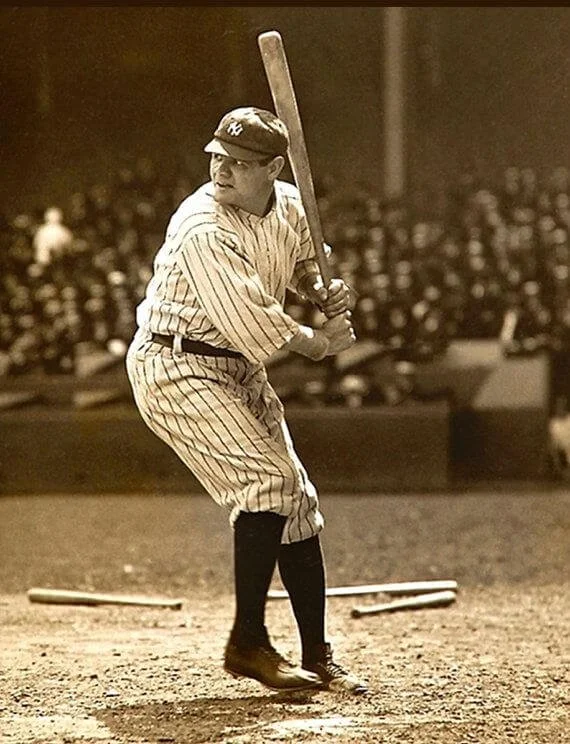
Many catchers remember what it was like to pitch against hitters like Babe Ruth. Image credits: Etsy
The catcher has to be aware of what was left in the bullpen when the game began, which pitches are working and which ones aren't, and make the adjustments in what he calls for. In the old days when a pitcher appeared to have tired, managers would go out to the mound and ask the catcher if the pitcher had lost his stuff.
All these pitcher/catcher relationships were easier 50 years ago when teams used maybe 10 to 15 pitchers all season, some of them emergency starters or rookie look-overs. These days it's common for teams to use more than 30 pitchers in a season, some of them shuttling between the big club and their minor league affiliates. In 2024 the Milwaukee Brewers used 36.
Summing Up
If a catcher is also productive with the bat, so much the better. But just based on all his other skills and responsibilities, he is, in my opinion, more essential to a winning team than a DH or an outfielder who hits 50 home runs.
Hall of Fame
As of this writing, there are 20 catchers in the Hall of Fame, the second least represented position. Perhaps that's because Hall of Fame voters look for above-average offensive production in addition to the more important defensive skills required by the position.
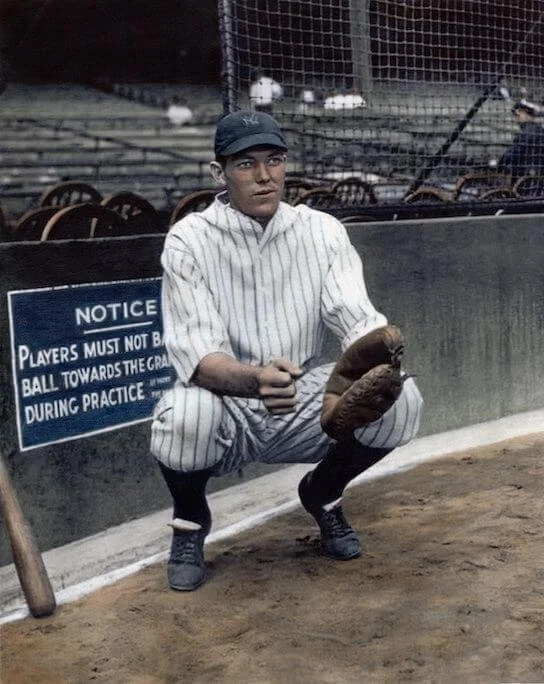
Bill Dickey is one of just 20 catchers who have made it into the Hall of Fame. Image credits: Baseball on Canvas
Those already inducted include powerful hitters like Mickey Cochrane, Bill Dickey, Yogi Berra, Mike Piazza and Ernie Lombardi. One anomaly in this roll of honor is Ray Schalk, whose leadership and defensive skills earned him the honor despite having the lowest career batting average (.253) of anyone in the Hall.
Here are the 20, who include several Negro Leagues players you may be unfamiliar with: Buck Ewing, Bill Dickey, Mickey Cochrane, Gary Carter, Roy Campanella, Roger Bresnahan, Yogi Berra, Johnny Bench, Biz Mackey, Louis Santop, Ted Simmons, Ray Schalk, Ivan Rodriguez, Mike Piazza, Joe Mauer, Ernie Lombardi, Gabby Hartnett, Josh Gibson, Carlton Fisk and Rick Ferrell.
